Cobot vs Robot: Understanding the Key Differences in Industrial Automation
2025 / 04 / 30
Automation is rapidly evolving, and understanding the differences between collaborative robots (cobots) and traditional robots is essential for businesses aiming to stay competitive. This article breaks down key distinctions in terms of functionality, applications, benefits, and future implications.
What Are Cobots and Robots?
Automation has revolutionized industries, and the debate of cobot vs robot has gained prominence as businesses explore innovative ways to enhance productivity. Robots are designed for isolated, repetitive tasks, while cobots enable seamless collaboration with humans, offering a new dimension to automation. To understand their differences, let’s take a closer look at what defines cobots and robots.
a. Cobots
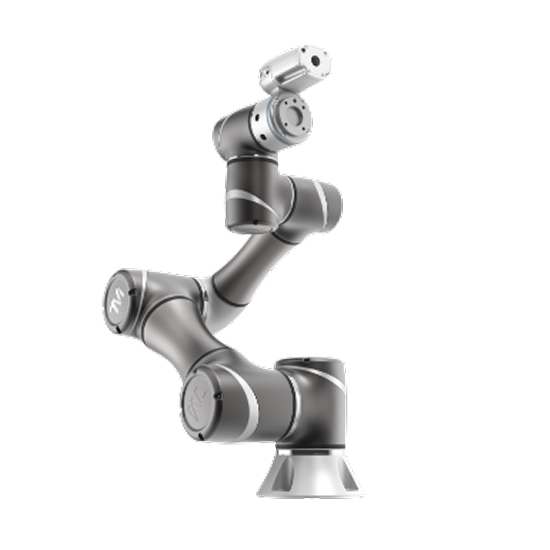
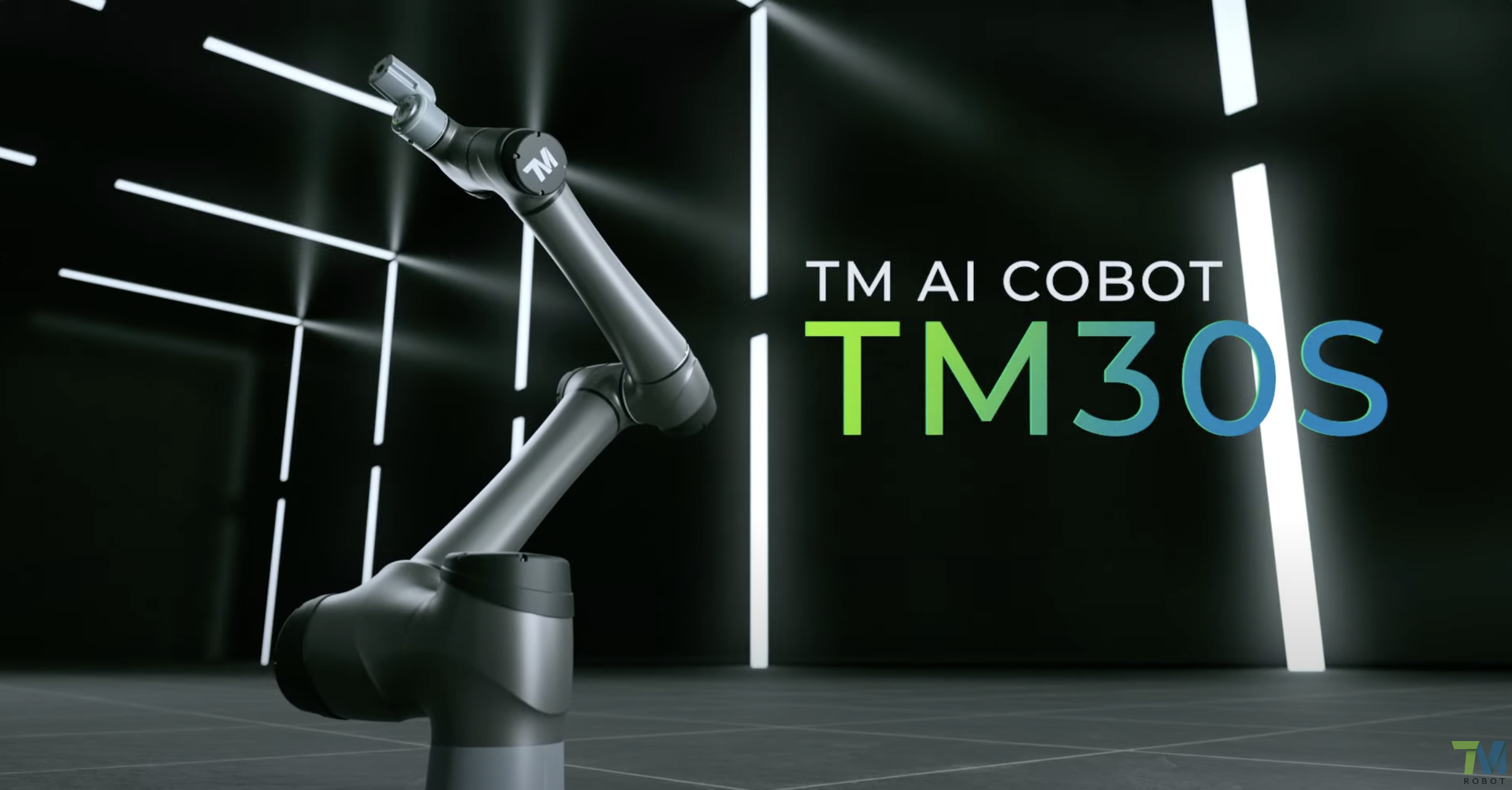
Cobots are engineered for collaboration, prioritizing safety, flexibility, and user-friendliness. With features like built-in sensors and intuitive programming interfaces, cobots can work alongside humans without the need for extensive safety barriers. Their adaptability makes them suitable for dynamic environments where tasks or workflows change frequently.
b. Robots
Traditional robots, on the other hand, excel in high-speed, repetitive tasks requiring extreme precision. Designed for large-scale operations, these robots typically operate in isolated zones to ensure safety. While they are highly efficient in environments like automotive assembly lines or electronic manufacturing, they lack the flexibility to adapt to collaborative or human-centric workflows.