Case Sharing: Automated PCB Glue Inspection with Collaborative Robot

2025 / 05 / 07

Background and Customer Needs

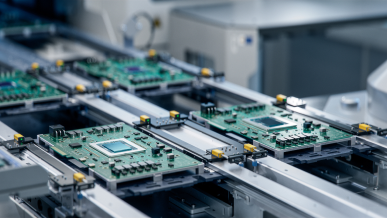
In electronics manufacturing, ensuring precise glue dispensing before the PCB enters the soldering machine is crucial for product quality. A customer required an automated inspection system to verify the accuracy of glue application, as defects in dispensing could lead to product failures.

After glue is dispensed front dispensing machine, issues such as incomplete application, leakage, or unintended contact with video memory components may occur, requiring inspection. Previously, the inspection relied on manual monitoring, which was prone to human fatigue, inconsistencies, and a lack of traceable inspection data.

Challenges

  • Manual Inspection Limitations: Operators needed to constantly monitor the process, increasing the risk of fatigue and misjudgment.
  • High Staff Turnover: Different inspectors applied varying criteria, making standardization difficult.
  • Lack of Traceability: Manual inspection did not allow for image storage or data tracking, complicating production management.

Solution & Key Technologies

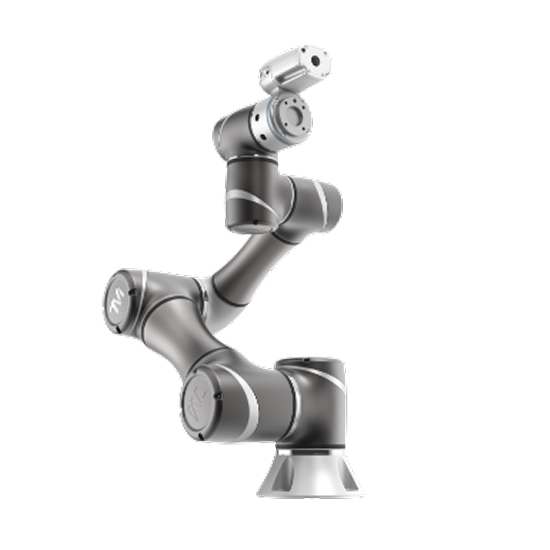
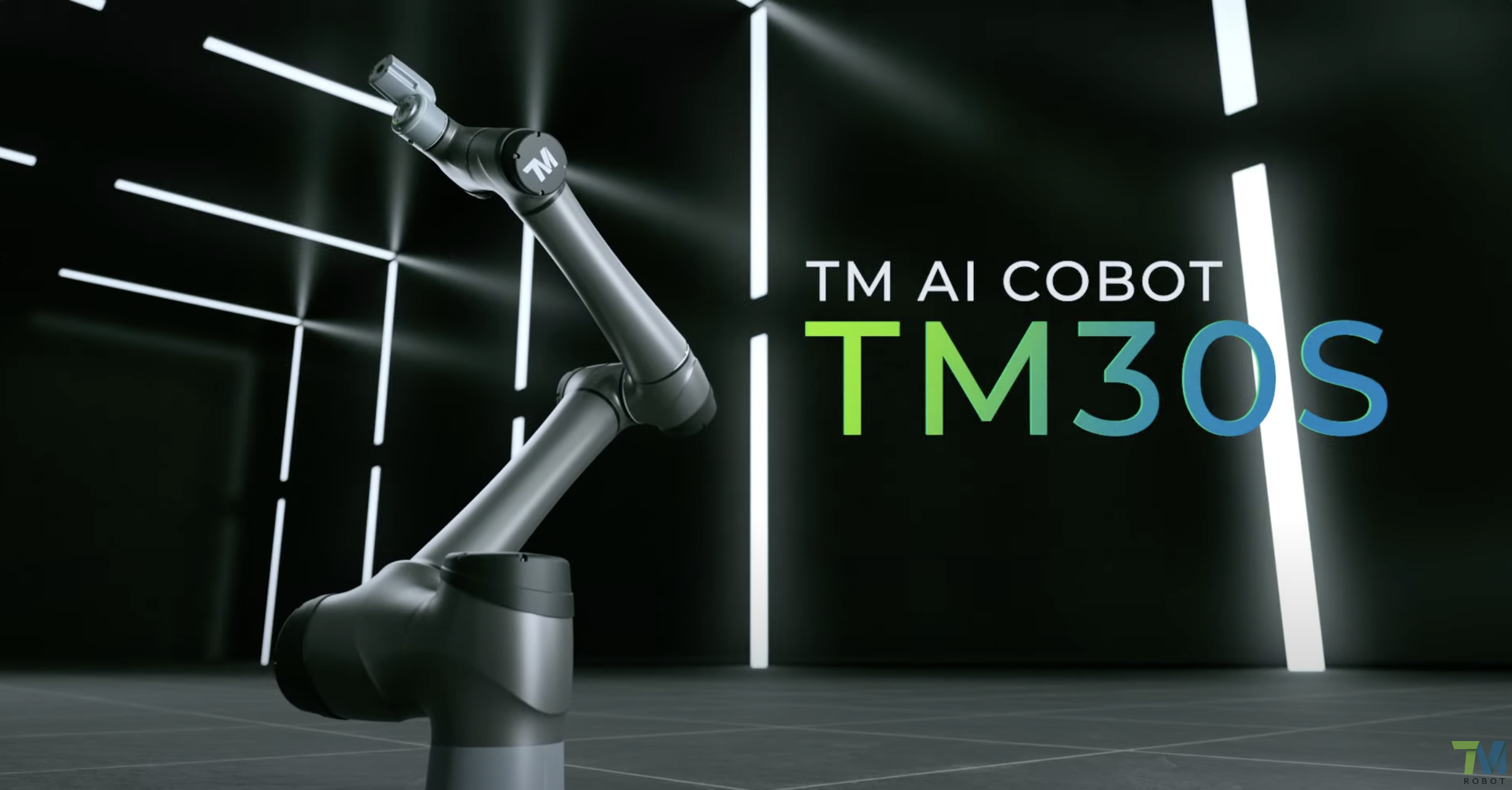
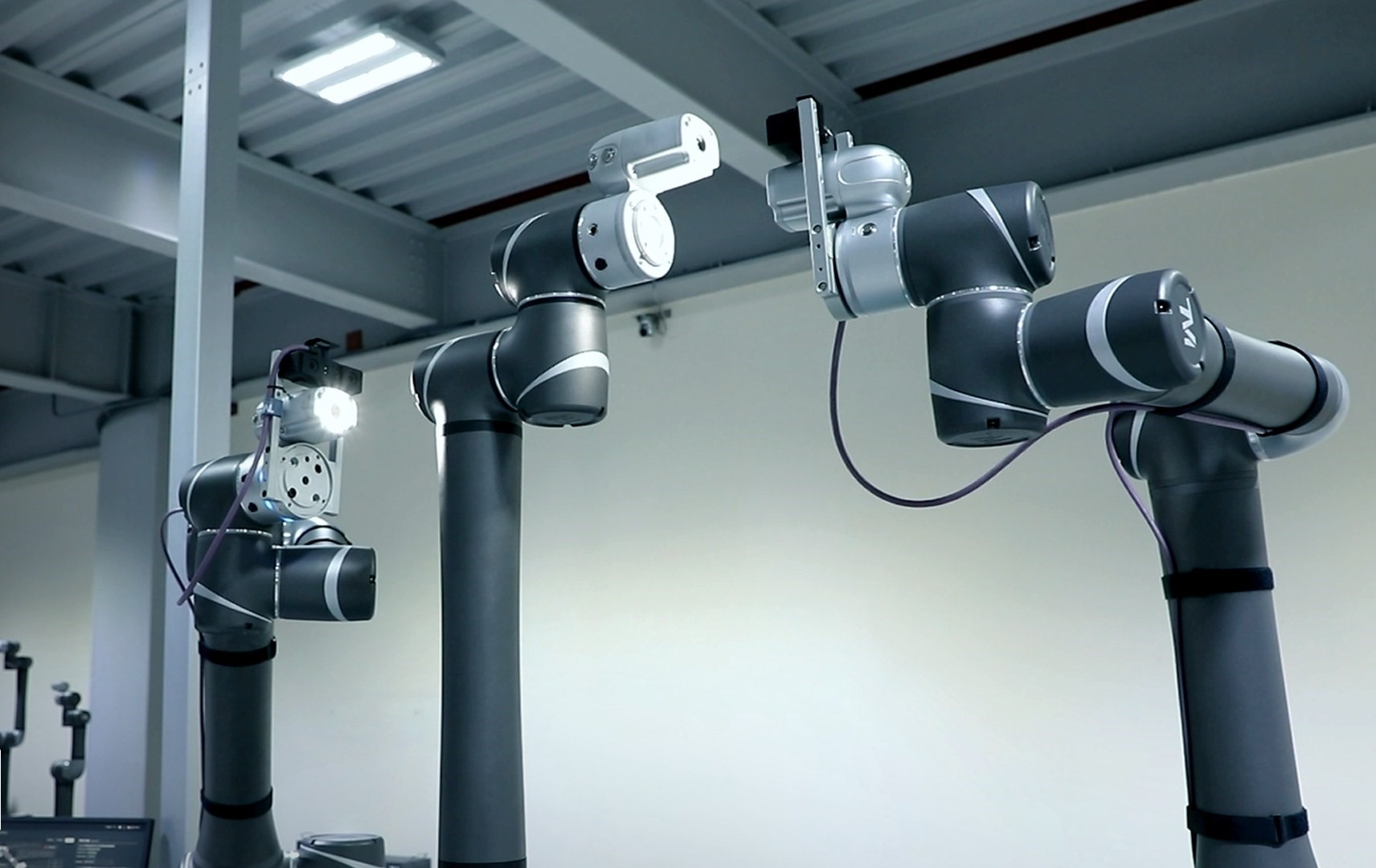
  • Techman Robot’s cobot arm provided an automated inspection solution, integrating advanced vision and AI classification technology to ensure precise glue application detection.
  • Effectively solving the above drawbacks and achieve automated workflow.

 

youtube影片


youtube影片
Related Articles

The Rise of Cobot Automation: Why Collaborative Robots Are the Next Big Thing
2025 / 05 / 01

The Rise of Cobot Automation: Why Collaborative Robots Are the Next Big Thing

Cobot automation is transforming the industrial landscape by introducing a new era of efficiency, flexibility, and collaboration. Unlike traditional robots, which operate in isolation to handle repetitive tasks, collaborative robots, or cobots, are designed to work safely alongside humans. Their seamless integration into human-centric workflows enhances productivity without compromising safety, making them a revolutionary solution in modern automation. As industries strive to boost efficiency, reduce costs, and meet dynamic market demands, cobots are bridging the gap between human ingenuity and machine precision. By redefining industrial workflows, cobot automation is helping businesses adapt to smarter, more agile operations—cementing its role as the next big thing in automation. The Growing Adoption of Cobot Automation The adoption of cobot automation is rapidly accelerating as industries worldwide recognize its transformative potential. Businesses in sectors like manufacturing, logistics, and packaging are increasingly turning to cobots to enhance efficiency and meet rising production demands. Collaborative robots offer the ideal balance between affordability, adaptability, and safety, making them particularly appealing to small-to-medium enterprises (SMEs) looking to embrace automation without overhauling their operations. Global demand for cobots reflects this trend. The collaborative robot market was valued at approximately $1.9 billion in 2024 and is projected to reach $11.8 billion by 2030, growing at a compound annual growth rate (CAGR) of 35.2%. Much of this growth is driven by the increasing adoption of cobots in SMEs, where their ease of use and cost-effectiveness make them a practical alternative to traditional industrial robots. (Data source: Collaborative Robot Market Size, Share, Statistics and Industry Growth Analysis Report by Payload)

Cobot vs Robot: Understanding the Key Differences in Industrial Automation
2025 / 04 / 30

Cobot vs Robot: Understanding the Key Differences in Industrial Automation

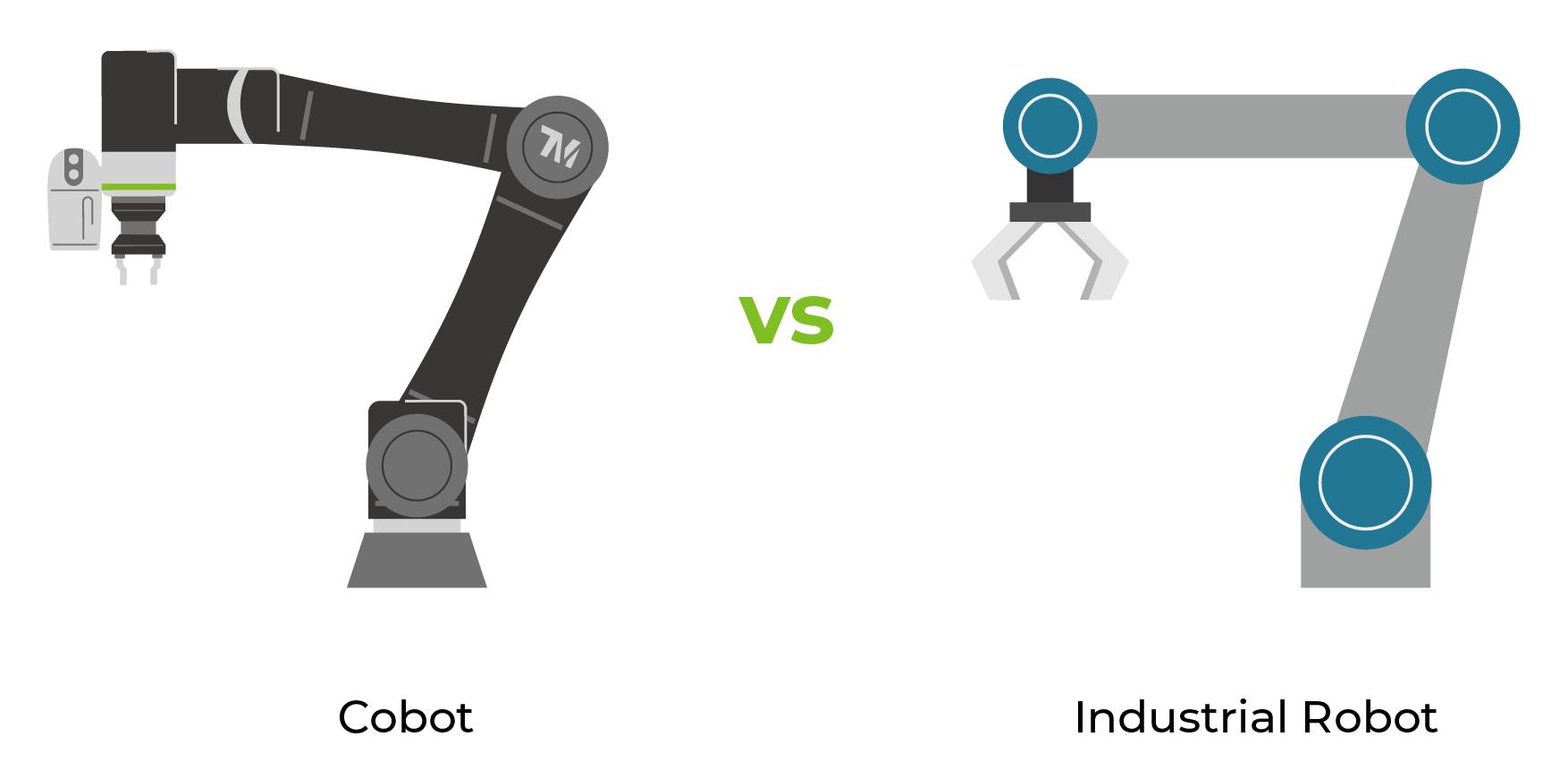
Automation is rapidly evolving, and understanding the differences between collaborative robots (cobots) and traditional robots is essential for businesses aiming to stay competitive. This article breaks down key distinctions in terms of functionality, applications, benefits, and future implications. What Are Cobots and Robots? Automation has revolutionized industries, and the debate of cobot vs robot has gained prominence as businesses explore innovative ways to enhance productivity. Robots are designed for isolated, repetitive tasks, while cobots enable seamless collaboration with humans, offering a new dimension to automation. To understand their differences, let’s take a closer look at what defines cobots and robots. a. Cobots Cobots are engineered for collaboration, prioritizing safety, flexibility, and user-friendliness. With features like built-in sensors and intuitive programming interfaces, cobots can work alongside humans without the need for extensive safety barriers. Their adaptability makes them suitable for dynamic environments where tasks or workflows change frequently. b. Robots Traditional robots, on the other hand, excel in high-speed, repetitive tasks requiring extreme precision. Designed for large-scale operations, these robots typically operate in isolated zones to ensure safety. While they are highly efficient in environments like automotive assembly lines or electronic manufacturing, they lack the flexibility to adapt to collaborative or human-centric workflows.

Explore by Tags